Why Venue Relationships Still Matter for Independent Artists
Building and maintaining strong relationships with venues is crucial for independent artists looking to thrive in the competitive music landscape. This editorial explores the importance of these connections and offers practical advice for artists.
Introduction
In the ever-evolving landscape of the music industry, independent artists often find themselves navigating a complex web of opportunities and challenges. One of the most critical aspects of this journey is the relationship between artists and venues. While digital platforms have transformed how music is distributed and consumed, the importance of live performances and the venues that host them cannot be overstated. This article delves into why venue relationships still matter for independent artists and how they can leverage these connections to enhance their careers.
Why Independent Artists Should Care
For independent artists, venues are more than just physical spaces where they perform; they are vital partners in the journey of building a music career. Here are several reasons why these relationships are essential:
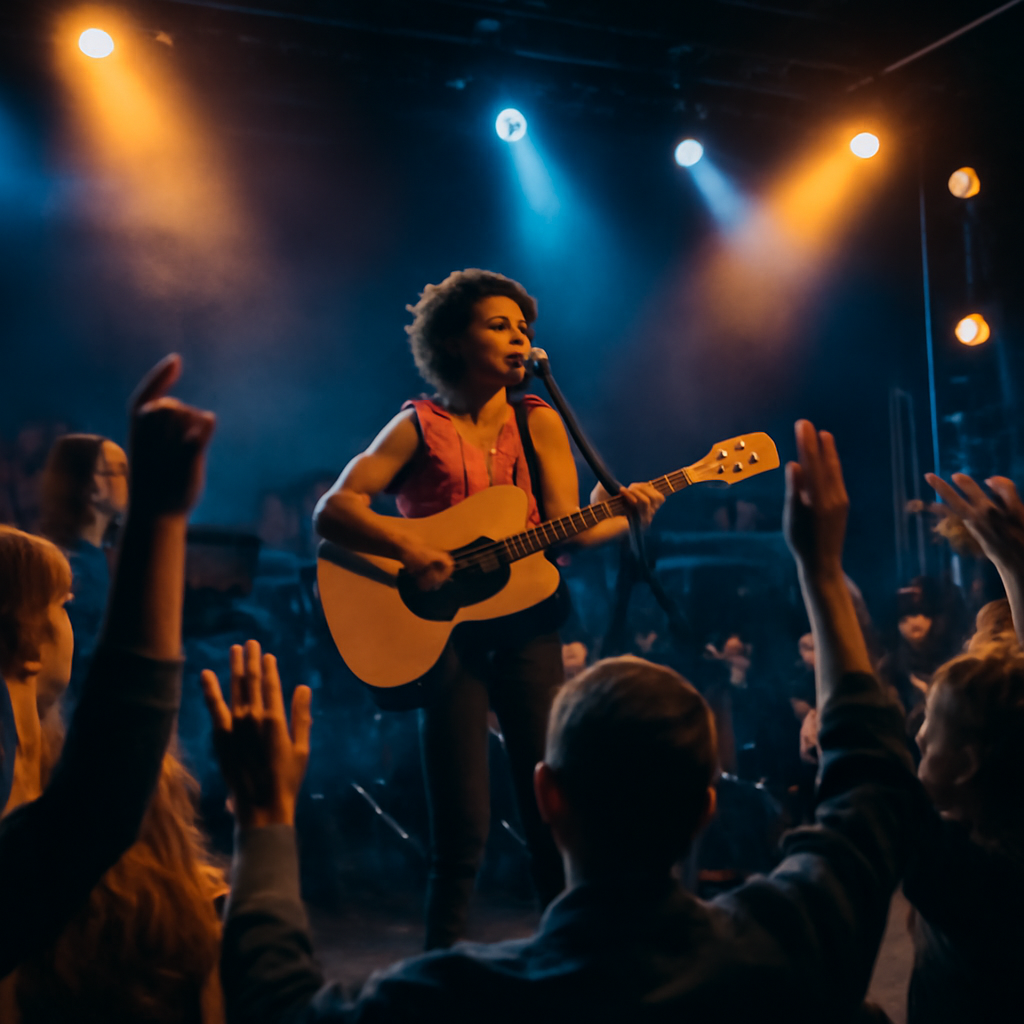
- Access to Audiences: Venues provide a platform for artists to showcase their music to live audiences. This exposure is invaluable for building a fan base and gaining traction in the industry. Performing in front of a live audience allows artists to gauge reactions, refine their performances, and create memorable experiences that resonate with fans.
- Networking Opportunities: Performing at venues allows artists to connect with other musicians, industry professionals, and potential collaborators. These relationships can lead to future gigs, partnerships, and career advancements. For instance, sharing a stage with a more established artist can introduce independent musicians to new audiences and industry contacts.
- Support from Venue Staff: Establishing a good rapport with venue owners and staff can lead to better support during performances, including promotion, technical assistance, and favorable scheduling. Venue staff often have insights into the local music scene and can provide valuable advice on how to enhance a performance or connect with the right people.
- Building a Reputation: Regular performances at local venues help artists build a reputation within their community. A solid local following can lead to more significant opportunities, such as festival slots or tours. Venues often prefer to book artists who have demonstrated commitment and reliability, making it essential for artists to establish a positive presence.
- Financial Opportunities: Venues often provide a share of ticket sales, merchandise sales, and bar revenue, which can be a crucial income source for independent artists. Understanding the financial arrangements and maximizing earnings from performances can significantly impact an artist's sustainability in the industry.
What Artists Should Do Next
Understanding the importance of venue relationships is just the first step. Here are practical actions independent artists can take to cultivate and maintain these connections:
- Research Local Venues: Identify venues that align with your music style and audience. Attend shows, familiarize yourself with their booking process, and understand their audience demographics. This knowledge can help you tailor your approach when reaching out to venues.
- Build Relationships: Introduce yourself to venue staff, including bookers and managers. Attend events at the venue, engage with staff, and express your interest in performing there. Building rapport can lead to more favorable booking conditions and opportunities.
- Be Professional: Always approach venues with professionalism. Submit high-quality press kits, be punctual for meetings, and maintain clear communication throughout the booking process. A professional demeanor can set you apart from other artists vying for the same slots.
- Follow Up: After a performance, send thank-you notes to the venue staff. This simple gesture can leave a lasting impression and open doors for future opportunities. Acknowledging their support shows that you value the relationship and are committed to maintaining it.
- Collaborate with Other Artists: Consider co-hosting events or shows with other independent artists. This can help draw larger crowds and make the venue more inclined to book you again. Collaboration can also foster a sense of community among local musicians, leading to mutual support and growth.
- Utilize Social Media: Promote your shows on social media and tag the venue. This not only helps with your visibility but also shows the venue that you are actively promoting the event. Engaging with fans online can create buzz around your performances and encourage attendance.
Risks of Neglecting Venue Relationships
While the benefits of nurturing venue relationships are clear, neglecting these connections can lead to several risks for independent artists:
- Limited Performance Opportunities: Without strong relationships, artists may find it challenging to secure gigs, especially in competitive markets where venues receive numerous booking requests.
- Negative Reputation: Failing to communicate or follow through on commitments can harm an artist's reputation within the local music community. Word travels fast, and a bad experience can deter venues from booking you in the future.
- Missed Financial Gains: Artists who do not engage with venues may miss out on lucrative opportunities, such as merchandise sales or sponsorship deals that could arise from successful performances.
The Krazyfi Connection
While navigating the complexities of venue relationships, independent artists can benefit from platforms like Krazyfi. Krazyfi offers tools and resources that help artists manage their bookings, promote their shows, and connect with fans, making it easier to focus on what they do best: creating music. By utilizing Krazyfi's features, artists can streamline their booking processes, track their performance metrics, and engage with their audience more effectively.
Case Studies: Successful Independent Artists and Venue Relationships
To illustrate the importance of venue relationships, let’s look at a few independent artists who have successfully leveraged these connections to advance their careers:
- Artist A: This singer-songwriter started performing at local coffee shops and small venues. By consistently engaging with venue staff and patrons, they built a loyal following. Their rapport with venue owners led to opportunities to open for bigger acts, which significantly increased their visibility and fan base.
- Artist B: A local band made a name for themselves by collaborating with other artists at their favorite venue. They organized a series of themed nights that attracted larger crowds, which caught the attention of local promoters and led to festival bookings.
- Artist C: This electronic music producer utilized social media to promote their shows and tag venues. Their active online presence not only drew fans to their performances but also impressed venue owners, leading to more frequent bookings and higher-profile events.
Conclusion
In a world where digital presence often takes precedence, the importance of nurturing relationships with venues remains paramount for independent artists. These connections not only facilitate live performances but also open doors to new opportunities and collaborations. By actively engaging with venues and treating these relationships with care and professionalism, independent artists can significantly enhance their chances of success in the music industry. Remember, every performance is not just a gig; it's a stepping stone to building a sustainable career in music.
Final Thoughts
As the music industry continues to evolve, independent artists must adapt and find innovative ways to connect with their audiences. Venue relationships are a crucial element of this strategy. By prioritizing these connections, artists can create a robust support system that not only helps them thrive in their local scenes but also paves the way for broader recognition and success. In the end, the relationships you build today could be the key to unlocking your musical future.