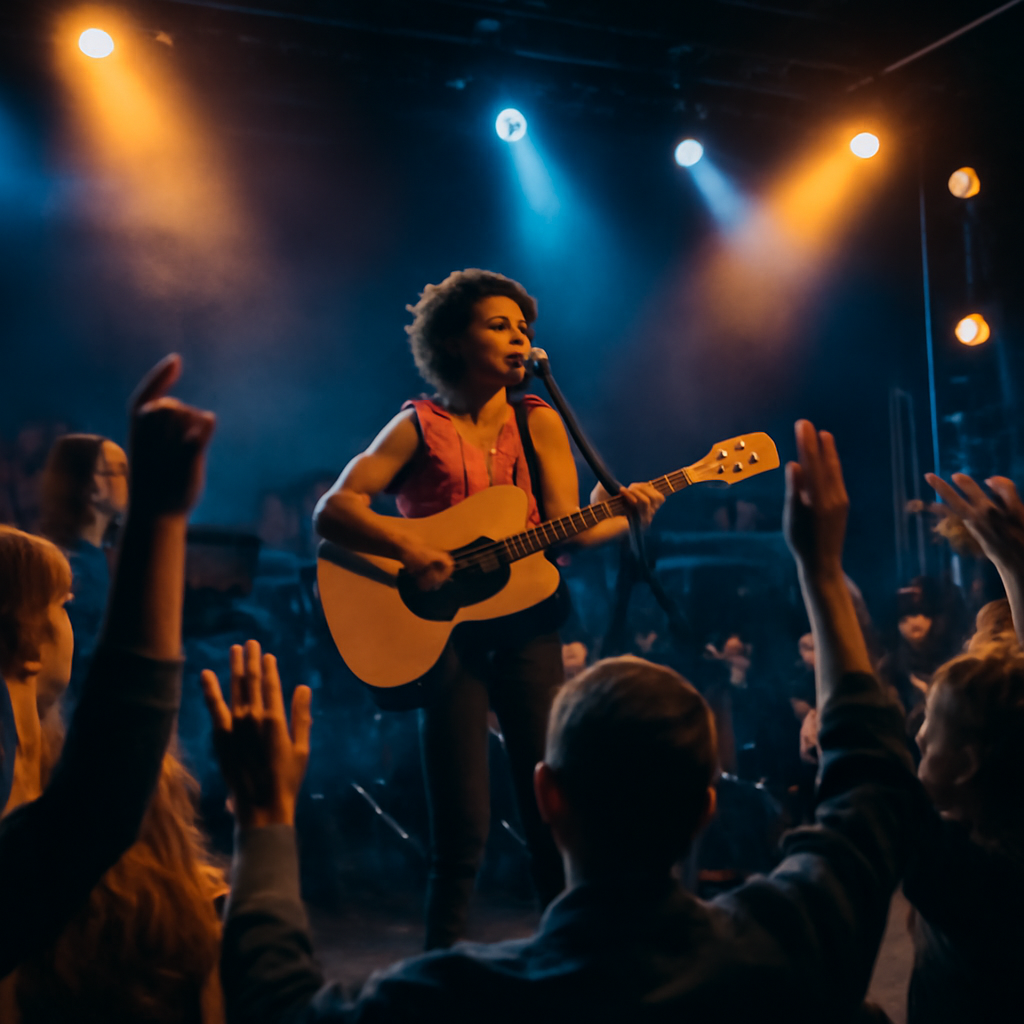
Making the Transition: From Open Mics to Booking Venues in Colorado
Navigating the shift from open mics to booking venues is crucial for independent artists looking to grow their careers. This guide offers practical advice and insights on making that transition successfully.
Introduction
For many independent artists, open mics serve as the initial platform for showcasing their talent. They offer a low-pressure environment to test new material, connect with fellow musicians, and engage with local audiences. However, as artists grow and seek to expand their reach, the transition from open mics to booking actual venues becomes essential. This shift not only elevates an artist's profile but also opens up new opportunities for revenue and exposure.
Why Independent Artists Should Care
Transitioning from open mics to booked venues is a significant step in an artist's career for several reasons:
- Professional Growth: Booking a venue indicates a level of professionalism and commitment to your craft. It shows that you are ready to take your music seriously and are willing to invest time and effort into your career.
- Increased Exposure: Venues often have established audiences, and performing there can introduce your music to new fans who may not attend open mics.
- Revenue Opportunities: While open mics may not offer financial compensation, booked shows can provide income through ticket sales, merchandise, and sometimes guarantees from the venue.
- Networking: Performing at venues allows you to connect with other artists, venue owners, and industry professionals, which can lead to future collaborations and opportunities.
- Building a Brand: Regular performances at venues help solidify your brand identity and create a consistent presence in the music scene.
What Artists Should Do Next
Making the switch from open mics to booking venues requires a strategic approach. Here are actionable steps independent artists can take:
1. Build a Strong EPK
An Electronic Press Kit (EPK) is essential for showcasing your music and brand to venue owners and promoters. Include:
- Your bio and artist statement
- High-quality recordings of your music
- Professional photos
- Links to your social media and website
- Press coverage or testimonials if available
2. Research Venues
Identify venues that align with your music style and target audience. Consider:
- Capacity and location
- Type of events they host
- Past artists they have booked
3. Network with Venue Owners and Promoters
Attend shows at your target venues, introduce yourself to the staff, and express your interest in performing. Building relationships can lead to opportunities to book shows. Networking is crucial; consider joining local music groups or online forums where venue owners and artists connect.
4. Start Small
Consider starting with smaller venues or local bars that are more likely to take a chance on emerging artists. This can help you gain experience and build your performance resume. Many successful artists began their careers in intimate settings, allowing them to hone their craft before moving on to larger venues.
5. Create a Performance Plan
When you secure a booking, prepare a solid setlist and practice your performance. Consider how you can engage the audience and make your show memorable. Think about your stage presence, how you interact with the crowd, and any unique elements you can incorporate into your performance.
6. Promote Your Shows
Utilize social media, email newsletters, and local community boards to promote your upcoming shows. Engaging your existing fanbase and encouraging them to spread the word can increase attendance. Collaborate with other artists to cross-promote shows, and consider creating promotional materials like flyers or posters to distribute in your community.
7. Gather Feedback
After your performance, seek feedback from attendees and venue staff. Understanding what worked and what didn’t can help you improve for future shows. Constructive criticism is invaluable; consider recording your performances to review your stage presence and sound.
Risks and Challenges
While the transition to booking venues can be rewarding, it also comes with its challenges. Here are some risks to consider:
- Financial Investment: Booking a venue may require upfront costs, such as deposits or promotional expenses. Ensure you have a budget in place to cover these costs.
- Competition: The music scene can be competitive, and securing a booking may take time and persistence. Be prepared for rejection and keep refining your approach.
- Performance Pressure: Performing in front of a larger audience can be daunting. It’s essential to manage performance anxiety and prepare thoroughly to deliver your best.
Building a Connection with Krazyfi
For independent artists looking for additional resources and support, platforms like Krazyfi can provide tools and insights to help you navigate your music journey effectively. Krazyfi offers a range of services, including:
- Artist Development: Access to workshops and mentorship programs that can help you refine your skills and grow your brand.
- Promotion Tools: Utilize Krazyfi’s promotional tools to reach a broader audience and enhance your visibility.
- Networking Opportunities: Connect with other artists, industry professionals, and potential collaborators through Krazyfi’s community.
Conclusion
The transition from open mics to booking venues is a pivotal moment for independent artists. By taking proactive steps and approaching this shift with a strategic mindset, artists can enhance their careers and reach new audiences. Remember, every successful artist started somewhere, and with dedication and effort, you can make your mark in the music scene.
As you embark on this journey, leverage the resources available through platforms like Krazyfi to support your growth and success. The road may be challenging, but the rewards of performing in booked venues can be life-changing for your music career.
Additional Tips for Success
As you navigate this transition, consider the following additional tips to further enhance your chances of success:
- Utilize Social Media Strategically: Regularly update your social media profiles with engaging content, including behind-the-scenes footage, rehearsal clips, and announcements about upcoming shows. This keeps your audience engaged and excited about your music.
- Collaborate with Other Artists: Teaming up with other musicians for joint performances can help you tap into their fanbase and gain exposure to new audiences. Look for artists with complementary styles to create a memorable experience for attendees.
- Stay Persistent: The journey from open mics to booked shows can be filled with ups and downs. Stay committed to your goals, keep honing your craft, and don’t be discouraged by setbacks. Every rejection is an opportunity to learn and improve.
- Engage with Your Audience: After shows, take the time to connect with your audience. Engage with them on social media, respond to messages, and show appreciation for their support. Building a loyal fanbase is key to long-term success.
By implementing these strategies, independent artists can not only make the transition from open mics to booking venues but also thrive in the competitive music landscape of Colorado and beyond.