Navigating the AI Revolution: What the Sydney Live Event Incident Means for Independent Artists
The recent controversy surrounding an AI artist's appearance at a live event raises significant questions for independent artists. Understanding the implications of AI in music is crucial for navigating today's industry landscape.
Introduction
The music industry is undergoing a seismic shift, with artificial intelligence (AI) playing an increasingly prominent role. A recent incident at a live event in Sydney, where an AI-generated artist performed unexpectedly, has sparked widespread discussion and concern among independent artists. This situation highlights the challenges and opportunities that AI presents in the music landscape, making it essential for artists to understand its implications and adapt accordingly.
Why Independent Artists Should Care
Independent artists are often at the forefront of innovation, pushing creative boundaries and exploring new avenues for expression. However, the rise of AI in music brings both risks and rewards that can significantly impact their careers. Here are a few reasons why this issue is particularly relevant:
- Authenticity vs. Automation: Many fans value the authenticity of live performances and the human connection that comes with them. The introduction of AI artists raises questions about what it means to be an artist and how audiences perceive authenticity. For instance, when an AI artist takes the stage, does it dilute the emotional experience that live music typically provides?
- Market Saturation: As AI-generated music becomes more prevalent, independent artists may face increased competition. Understanding how to differentiate their work in a landscape filled with automated content is crucial. With platforms like Spotify and Apple Music flooded with AI-generated tracks, independent musicians must find unique ways to stand out.
- Copyright and Ownership: The legal landscape surrounding AI-generated music is still evolving. Independent artists must be aware of how copyright laws apply to AI creations and how they can protect their own work. For example, if an AI generates a song that sounds similar to an existing track, who owns the rights? This ambiguity can pose significant risks for independent creators.
- New Opportunities: Despite the challenges, AI also presents new opportunities for collaboration and creativity. Independent artists can leverage AI tools to enhance their music production, marketing, and audience engagement. For instance, AI can assist in generating new melodies or even help in analyzing audience preferences to tailor marketing strategies.
The Incident at the Sydney Live Event
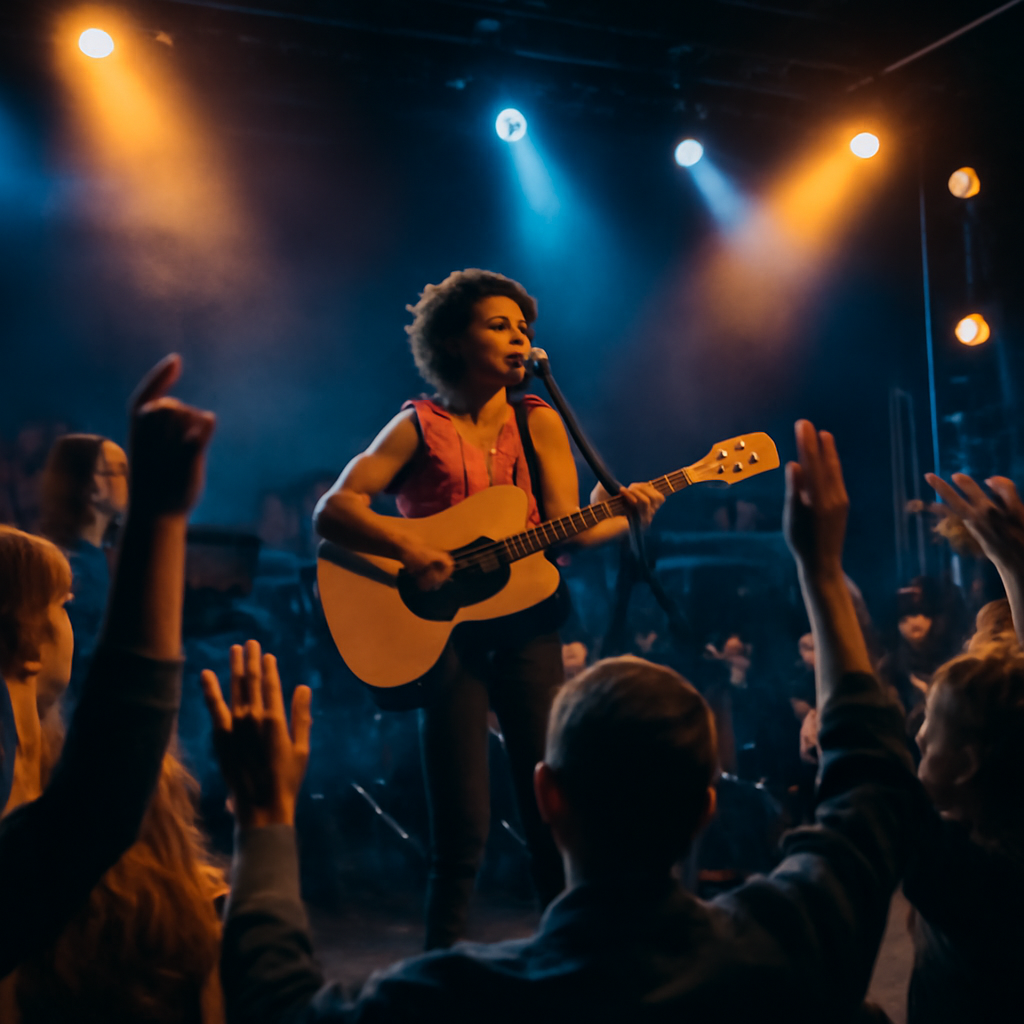
The recent event in Sydney, where an AI artist unexpectedly performed, serves as a case study for the implications of AI in live music. The booking agency involved issued an apology, acknowledging the backlash from fans who felt deceived by the presence of an AI performer. This incident raises critical questions about transparency and the expectations of audiences in live music settings.
Many attendees expressed disappointment, feeling that the experience lacked the emotional depth and connection that human performers typically provide. This incident underscores the importance of maintaining the integrity of live performances and the potential backlash that can arise when audiences feel misled.
What Artists Should Do Next
In light of these developments, independent artists should take proactive steps to navigate the changing landscape:
- Stay Informed: Keep up with the latest trends and discussions surrounding AI in music. Understanding the technology and its implications will help artists make informed decisions about their careers. Following industry news, attending workshops, and participating in forums can provide valuable insights.
- Emphasize Authenticity: Focus on what makes your music unique and authentic. Engage with your audience on a personal level, showcasing your creative process and the human elements of your artistry. Consider sharing behind-the-scenes content or personal stories that resonate with your audience.
- Explore AI Tools: Consider experimenting with AI tools that can enhance your creative process. Whether it's using AI for music production, marketing analytics, or audience engagement, these tools can provide valuable insights and efficiencies. For example, AI-driven software can analyze listener data to help artists understand which songs resonate most with their audience.
- Advocate for Fair Practices: Join discussions about copyright and ownership rights related to AI-generated content. Advocate for fair practices that protect the rights of independent artists and ensure that their work is valued. Engaging with organizations that focus on artist rights can amplify your voice in these discussions.
- Collaborate with Other Artists: Form alliances with fellow independent artists to share knowledge and resources. Collaborative efforts can help navigate the complexities of the evolving music landscape. By pooling resources, artists can create unique projects that stand out in a crowded market.
Potential Risks of AI in Music
While AI offers numerous opportunities, it also presents potential risks that independent artists should be aware of:
- Loss of Human Touch: As AI-generated music becomes more prevalent, there is a risk that the emotional connection between artists and their audiences may diminish. Fans often seek the human experience in music, and an over-reliance on AI could lead to a disconnect.
- Job Displacement: The rise of AI in music production could threaten traditional roles within the industry, such as songwriters and producers. Independent artists may find themselves competing against AI-generated content that can produce music at a fraction of the cost.
- Ethical Concerns: The use of AI in music raises ethical questions about creativity and originality. If an AI can generate a hit song, what does that mean for the value of human creativity? Artists must navigate these ethical dilemmas as they integrate AI into their work.
Conclusion
The incident at the Sydney live event serves as a wake-up call for independent artists to engage with the rapidly changing music industry landscape. By understanding the implications of AI and taking proactive steps, artists can not only survive but thrive in this new era. The future of music is being shaped by technology, and independent artists have the opportunity to lead the way in defining what artistry means in the age of AI.
As the music industry continues to evolve, platforms like Krazyfi can provide valuable resources and support for independent artists seeking to navigate these changes. By staying informed and adaptable, artists can harness the potential of AI while maintaining their unique voices and artistic integrity.