How to Choose the Best DAW for Beginners
Navigating the world of Digital Audio Workstations (DAWs) can be daunting for independent artists. This guide breaks down essential factors to consider when choosing the right DAW for your music creation journey.
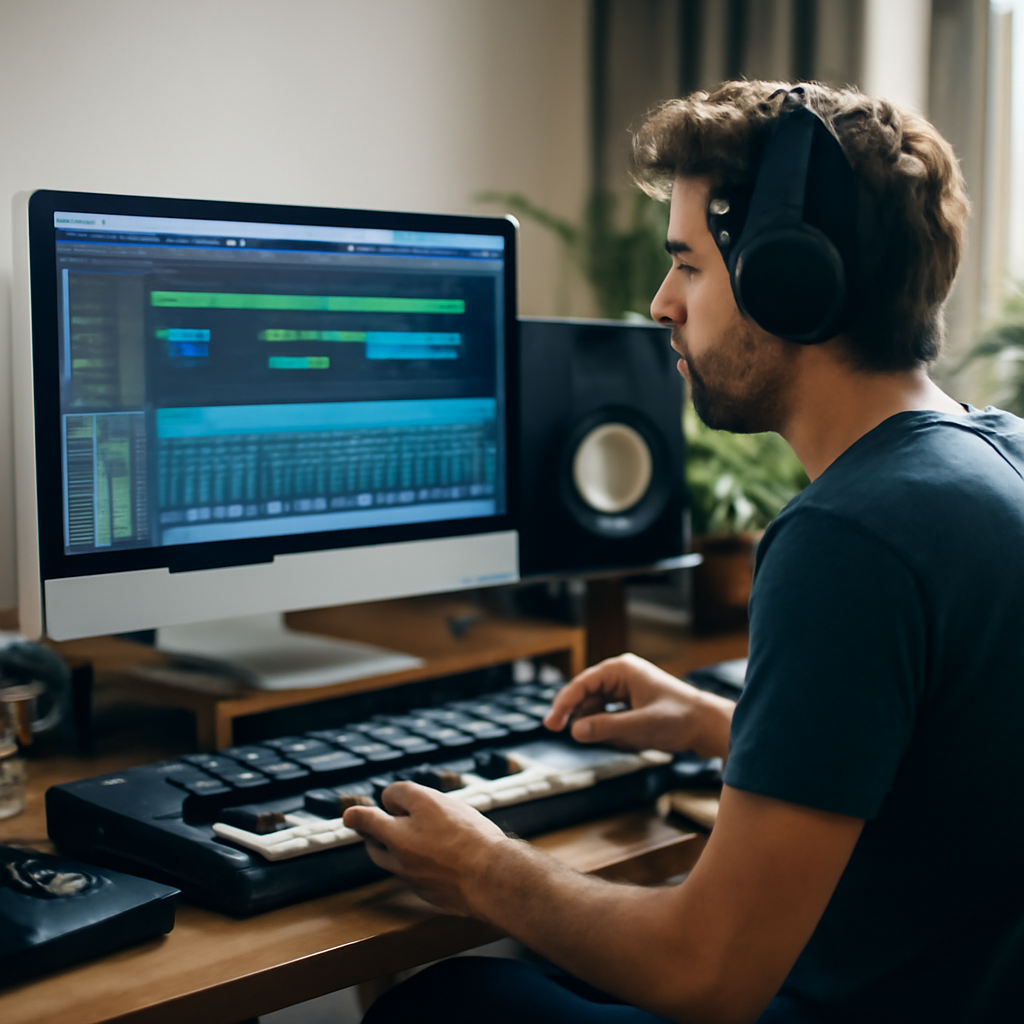
Why Choosing the Right DAW Matters
For independent artists, selecting the right Digital Audio Workstation (DAW) is a crucial step in the music creation process. A DAW is the software that allows you to record, edit, and produce audio files. With a plethora of options available, the decision can often feel overwhelming. However, the right DAW can enhance your creative workflow, improve your productivity, and ultimately help you realize your musical vision.
Why Independent Artists Should Care
Independent artists often operate with limited resources and time. Choosing the right DAW can streamline your production process, allowing you to focus more on creativity rather than technical hurdles. A DAW that suits your workflow can lead to better sound quality, easier collaboration with other musicians, and a more enjoyable music-making experience. Additionally, understanding the capabilities of different DAWs can help you leverage their features to your advantage, whether you’re producing electronic music, recording live instruments, or mixing tracks.
Key Factors to Consider When Choosing a DAW
- Usability: Look for a DAW with an intuitive interface that matches your skill level. Beginners may prefer software that is easy to navigate, while more advanced users might seek out more complex features.
- Compatibility: Ensure the DAW is compatible with your operating system (Windows, macOS, or Linux) and any hardware you plan to use, such as audio interfaces or MIDI controllers.
- Features: Different DAWs offer various features, such as virtual instruments, effects plugins, and MIDI capabilities. Identify what features are essential for your music style.
- Price: DAWs come in a range of prices, from free versions to expensive professional software. Consider your budget and whether the software offers a trial version to test before committing.
- Community and Support: A strong user community can be invaluable for beginners. Look for DAWs that have extensive online resources, tutorials, and forums where you can seek help and advice.
- Scalability: As you grow as an artist, your needs may change. Choose a DAW that can grow with you, offering advanced features or upgrade options as you progress.
Popular DAWs for Beginners
Here are some of the most popular DAWs that are beginner-friendly:
- GarageBand: Ideal for Mac users, GarageBand is free and offers a user-friendly interface with a variety of built-in instruments and loops. It’s perfect for those just starting out and looking to experiment with music production.
- FL Studio: Known for its intuitive workflow, FL Studio is great for electronic music producers and offers a range of features for beginners. Its step sequencer and piano roll make it easy to create beats and melodies.
- Ableton Live: While it has a steeper learning curve, Ableton Live is favored for live performances and offers powerful features for both production and performance. Its session view is particularly useful for improvisation and experimentation.
- Reaper: An affordable option with a full feature set, Reaper is highly customizable and has a supportive community. It’s a great choice for those who want a professional DAW without breaking the bank.
- Logic Pro: A step up from GarageBand, Logic Pro offers advanced features and is suitable for those looking to dive deeper into music production. It includes a vast library of sounds and plugins that can enhance your projects.
What Artists Should Do Next
Once you’ve chosen a DAW, it’s time to dive into learning how to use it effectively. Here are some practical steps to get started:
- Explore Tutorials: Many DAWs offer official tutorials, and there are countless video tutorials available online. Take advantage of these resources to familiarize yourself with the software. Websites like YouTube and music production forums can be invaluable.
- Practice Regularly: The best way to learn is by doing. Set aside time each week to experiment with your DAW, create new projects, and explore its features. Consistent practice will build your confidence and skills.
- Join Online Communities: Engage with other users through forums, social media groups, or local meetups. Sharing experiences and tips can accelerate your learning process. Platforms like Reddit and Facebook have dedicated groups for music producers.
- Collaborate with Other Artists: Working with other musicians can provide new insights and techniques, enhancing your skills and creativity. Collaboration can also lead to networking opportunities and exposure.
- Utilize Krazyfi Resources: Krazyfi offers a range of tools and resources designed to support independent artists. Explore the platform for tips on music production, marketing, and more. Krazyfi can connect you with other artists and provide insights into the industry.
Risks and Considerations
While choosing the right DAW is essential, there are risks and considerations to keep in mind:
- Overwhelm: With so many features and options, beginners may feel overwhelmed. It’s important to start with the basics and gradually explore more advanced functionalities as you grow.
- Cost: Some DAWs can be expensive, and while many offer trial versions, it’s crucial to ensure that the investment aligns with your budget and needs. Always check for student discounts or bundles that might be available.
- Learning Curve: Some DAWs have a steeper learning curve than others. Be prepared to invest time in learning the software, and don’t hesitate to seek help from online communities or tutorials.
Conclusion
Choosing the right DAW is a significant step for any independent artist. By considering your needs, exploring available options, and committing to learning, you can find a DAW that enhances your creative process and helps you produce the music you envision. Remember, the journey of music creation is personal, and the right tools can make all the difference. With the right DAW, you can unlock your potential and bring your musical ideas to life.
Additional Resources for Beginners
To further assist you in your journey, here are some additional resources that can help you navigate the world of music production:
- Online Courses: Websites like Coursera, Udemy, and Skillshare offer comprehensive courses on music production that can help you learn the ins and outs of your chosen DAW.
- Books: Consider reading books on music production and sound engineering. Titles like "The Mixing Engineer's Handbook" by Bobby Owsinski can provide valuable insights.
- Podcasts: Tune into music production podcasts such as "Song Exploder" or "The Producer's Podcast" for tips and inspiration from industry professionals.
By utilizing these resources and staying committed to your craft, you can develop your skills and create music that resonates with your audience. The right DAW is just the beginning of your musical journey!